
Introduction: The Room That Forgot Your Name
It’s 8:55 a.m., sunlight on glass, and the sprint review is already buzzing—only the placards still show last week’s attendees. The digital name plate on the table looks sleek, yet it’s lagging behind the room’s reality. Studies say up to a third of meetings start late due to small coordination snags; name accuracy is one of those quiet culprits that ripple through the day. So here’s the rub: if names, roles, and seating move faster than print, can your signage keep up without extra hands or extra stress?
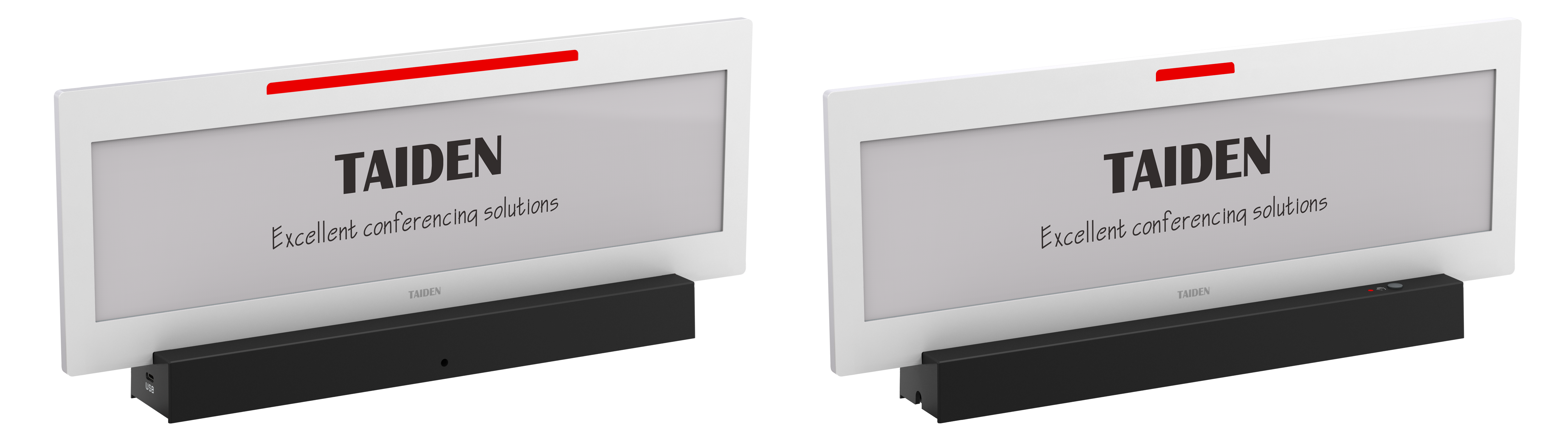
I’ve watched teams tape fresh labels over old ones (a tiny ritual that feels oddly medieval), and I’ve seen operators juggle spreadsheets while toggling between apps. The data flow is already there in calendars; the signage should follow, right then and there. But does it? And when it doesn’t, what’s the real cost—in time, in attention, in culture? Let’s step through the problem, then compare what a smarter path could look like.
The Deeper Layer: Hidden Frictions of Meeting Badges
What pain points hide in plain sight?
The promise of an e-ink meeting name tag sounds simple: crisp text, long battery, no glare. Look, it’s simpler than you think—until you map how it lives inside your workflow. Hidden frictions show up in three places. First, updates: if your tags don’t sync with calendar sources, admins become human APIs. Second, power cycles: devices that rely on clumsy charging rounds or mismatched power converters can slip offline at the worst moment. Third, identity handling: without clear roles pulled from directory groups, you get manual edits, and manual edits drift. Each friction is small—yet together they slow the room, steal focus, and nudge people back to paper, quietly undoing the point.
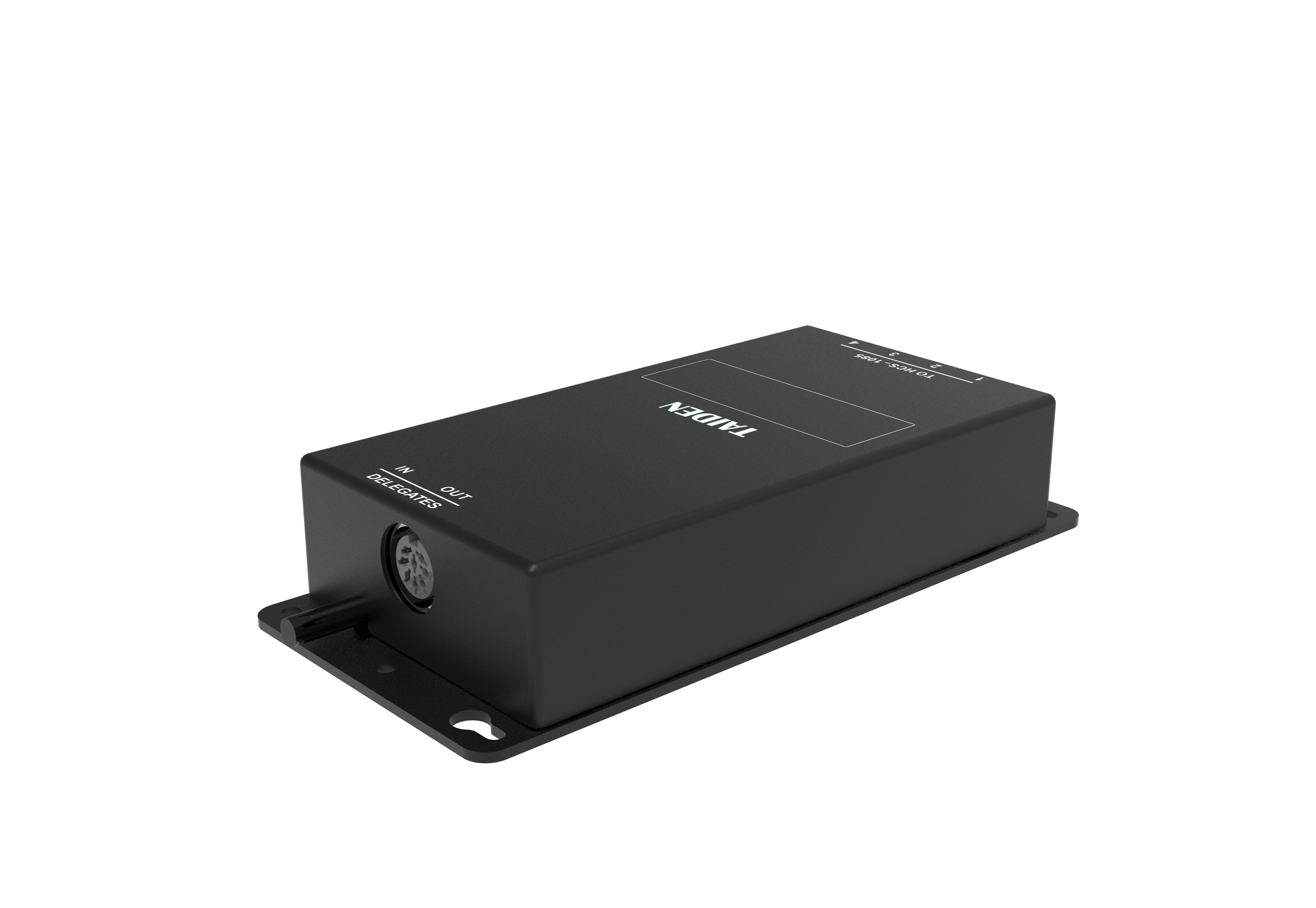
Technically, the gaps are avoidable. Tags that pair with edge computing nodes can cache meeting rosters and render templates even when the network hiccups. NFC provisioning trims setup time, while OTA firmware updates keep fleets aligned without rolling carts. BLE beacons can assist with last-meter synchronization; a lightweight gateway (PoE preferred) ties it to the scheduling backbone. What matters is orchestration: data in, rule-based templates, reliable push, and audit trails. And—funny how that works, right?—when orchestration is clean, latency falls, and name plates finally behave like part of the room’s rhythm instead of a sticky note with Wi‑Fi.
Comparative Outlook: Principles That Lift the Ceiling
What’s Next
To compare solutions fairly, look at the underlying principles rather than the brochure gloss. Paper cards “work” until they don’t; LCDs shine but glare; e‑paper balances legibility and power. The next leap pairs low-energy radios with templated rendering and directory logic. A modern stack lets a room controller post a roster, an admin tweak a title, and the surface update in seconds—even across a floor. When a color e ink display enters the mix, accent colors can mark speaking roles, language flags, or agenda status without sacrificing battery life. It’s not just prettier; it encodes meaning. Add a mesh-friendly design and a small gateway, and you can stage updates locally, then confirm upstream. Short bursts, clear states, minimal waste. That’s the principle.
So, how do you choose? Use three evaluation metrics that you can actually measure. One: data alignment—time from calendar change to name plate update (target under 60 seconds, with logs). Two: power integrity—expected runtime and recharge cadence under real duty cycles, not lab-only claims. Three: fleet control—can you provision, template, and push firmware without room-by-room heroics? If a system passes these, the meetings feel lighter, and names stay true to the people behind them—quietly respectful, culturally tidy, and technically sound. And if you want a reference point for where the category is heading—steered by meeting tech, synchronization, and signage logic—see how established conferencing makers approach it at TAIDEN.