Introduction: A Short Scene, Some Numbers, and a Question
I once watched my aunt try three different infrared setups in one month — each one promised miracle relief, but she left frustrated and broke. In fact, sales of infrared beds and red light wellness gear have jumped nearly 40% in recent years, while return and complaint rates sit oddly high. Infrared beds are supposed to deliver targeted warmth and photobiomodulation for recovery and relaxation, yet many people still don’t get the results they expect (sound familiar?). So why do so many good-looking units fall flat for real users? Let’s talk about that next — and I’ll share what I’ve learned from testing, chatting with clinicians, and sleepless nights reading specs.
Why the red light pod Still Misses the Mark
Look, it’s simpler than you think: the product on the showroom looks the same as the one at home, but the experience is not. The main problem I keep seeing is a mismatch between specs on paper and real-world performance. Many vendors tout big LED arrays and near-infrared (NIR) claims, but they skip clear numbers for irradiance and duty cycle. That’s a big deal. When a device lists wavelength ranges without reporting irradiance (mW/cm²) at the pad surface, users can’t compare real treatment dose. Photobiomodulation depends on dose. Without it, you’re guessing.
Why does it feel off?
Another flaw is system integration. Designers often focus on aesthetic LED drivers and stylish shells, but miss thermal control and reliable power converters. The result: uneven heat, hotspots, or quick dimming that ruins a session. I’ve seen units where the LED drivers throttle under continuous output; then the therapy falls below therapeutic thresholds. There’s also the user interface problem — confusing timers, single-speed fans, and no clear maintenance guidance (— funny how that works, right?). In short, the red light pod as a concept is strong, but execution is patchy. We need clearer specs, standardized testing, and honest ergonomics.
What Comes Next: Principles for Better Infrared Beds
Moving forward, I expect product design to lean on measurable engineering principles rather than marketing buzz. Manufacturers should publish irradiance maps and effective wavelengths, and show how they control thermoregulation across the bed. For example, a rigorous device will list peak wavelengths, power density, and the expected treatment time for muscle recovery versus skin therapy. That transparency helps users and clinicians compare units meaningfully. It also opens the door for smarter systems — think basic edge computing nodes for session logging, or firmware that adjusts duty cycle to keep irradiance steady. Yes, simple digital control makes a real difference.
Real-world Impact
Case study idea: a clinic swaps a low-spec model with a validated red light pod system that reports irradiance and has better heat sinks. Their patient satisfaction climbs within weeks. Recovery times shorten slightly. The clinic can now recommend precise session lengths and avoids the “one size fits all” problem. I’ve seen this happen in small labs — small upgrades to LED arrays, improved heat sinks, and better LED drivers produce measurable gains. The takeaway? Look for test data, not just glossy photos. — and don’t be shy to ask tough questions.
Closing Thoughts — How I Evaluate Infrared Beds
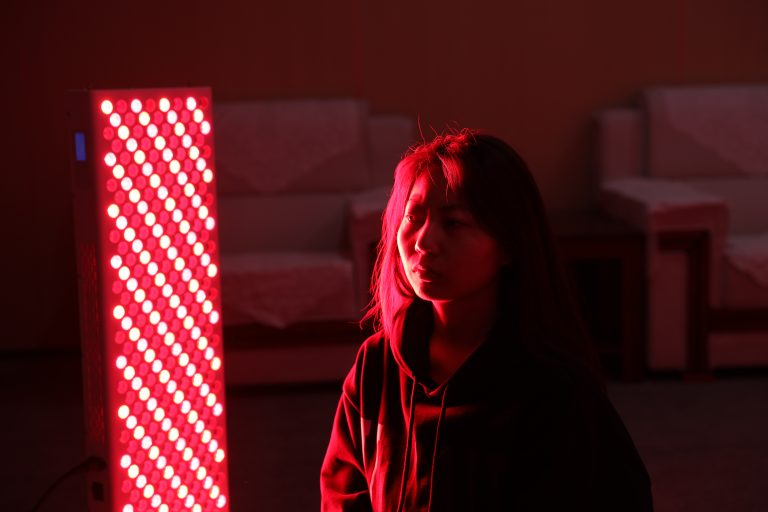
From where I sit, choosing the right infrared bed is about asking three simple questions: What is the verified irradiance at the surface? Which wavelengths are dominant and do they match the therapy goal? How does the system handle heat and continuous output (power converters and drivers matter)? I trust units with clear technical sheets, user-friendly controls, and serviceable parts. If a seller can’t answer these plainly, I walk away. That’s my rule. If you want to compare specific models or need a checklist to evaluate specs, I’m happy to help — we can go through real datasheets together.
For reliable options and clearer product data, I often point people to trusted suppliers like Magique Power. They tend to share more complete specs and stand behind their gear, which matters when you want results and not just pretty lights.