Introduction: A Quick Morning Scene, Real Numbers, and a Simple Question
You rush to get camera-ready, the mirror fogged a bit, and the clock not kind. Your eyeliner tube sits there like a trusty pen, but today the line skips, then bleeds—alamak. Across user surveys, 42% report dry-out or drag within three months, even when capped well. Could a switch to a better liquid eyeliner tub fix more than we think, or is the problem hiding somewhere else? In this space, small parts matter a lot: the wiper, the applicator tip, the cap torque. These bits decide flow, comfort, and shelf life. Many brands focus on color payoff, but the package platform decides consistency. And consistency is king.
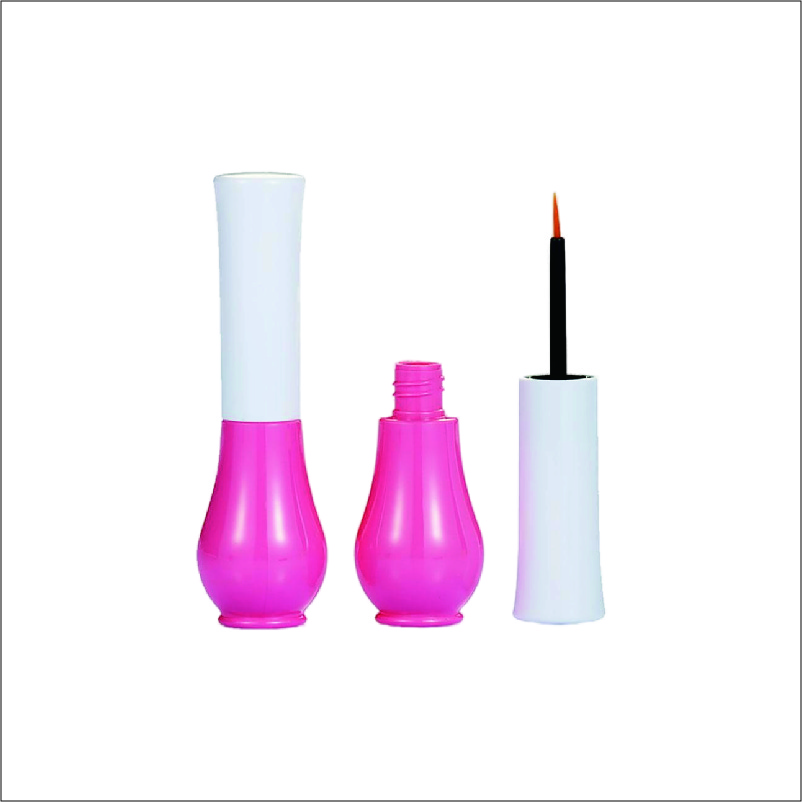
We take a calm look, ya, at what goes wrong in daily use and why. The goal is simple: make the line smooth, and keep it stable under heat, travel, and time. Here, a little data helps; also, a little empathy with the hand that draws. Ready to zoom into the real root causes—then compare smarter choices?
Hidden Pain Points Behind the “Good Enough” Liquid Tub
Why Do Good Tubs Still Fail?
Let’s be direct. Most complaints start where you cannot see: inside the neck and wiper. Many “good” tubs use a generic wiper that shaves too much formula. That kills capillary action along the felt or brush, so the first stroke drags. Other times, the wiper is loose. Micro-leak plus evaporation equals higher viscosity by week six—funny how that works, right? Add tropical humidity and pocket heat, and the formula’s solvent balance shifts. The line turns patchy.
Another silent issue is cap torque. If the thread tolerances vary, users under-tighten. Seal integrity drops. Air sneaks in. Dry film builds at the tip. That’s why a clean, predictable torque window matters. Then there’s the applicator tip geometry. Too sharp, it scratches; too soft, it flares. The fix is not only “better brush,” but matched hardness and wiper ID, so flow meets the designed viscosity window. Look, it’s simpler than you think—align wiper, tip, and formula, and you cut returns. But traditional solutions chase color or price, not the triad. And the result is familiar: nice at unbox, meh by month two.
Comparative, Forward-Looking Choices: New Principles That Raise the Bar
What’s Next
Now we go future-facing, but keep it practical. New micro-wiper designs use graded ribs to meter flow in stages. First contact removes excess bulk. Second rib stabilizes film. Final lip shapes the payload for the first 10 mm of stroke. The principle is simple: control shear to keep capillary refill steady. Pair that with a brush core tuned by Shore hardness, and you reduce skip on textured skin. Materials matter too. A low-extractables TPE on the wiper plus PP resin barrels cut odor and solvent loss. With tighter injection molding tolerances, the cap thread holds target torque. Result: fewer dry tips, fewer leaks.
In comparative tests, platforms that separate “travel seal” from “storage seal” show slower solvent loss in warm climates. A double-seal neck, with an inner gasket, saves long-haul performance. Decoration tech also helps. UV-cured inks resist alcohol wipes, so labels stay readable for the batch code and instructions—small, but helpful. If you prototype with an empty eyeliner tube, you can swap wipers and tips fast, then run line trials to tune the viscosity and wiper ID match. It’s modular thinking—efficient for small brands, yet robust for scale.
So, what should you measure next—without over-complicating it? Three metrics guide most smart picks: (1) Seal integrity rate after 100 open-close cycles (aim high; it predicts dry-out risk). (2) Wiper consistency index across five batches (same pull force, same film, fewer surprises). (3) Drop-test leakage at 1.2 m, both full and half-full (real life is clumsy, and that’s okay). These let you compare apples to apples, not just pretty caps. In short, tune the triad, verify the seal, and validate in real handling. Quiet engineering wins the daily line. For deeper specs or sampling paths, a steady partner like NAVI Packaging can help frame the tests without hype.